How to Maintain a Terracotta Driveway: A Homeowner’s Guide
- genesis stoneworks
- Dec 23, 2025
- 4 min read

A terracotta driveway adds warmth, character, and timeless charm to a home. Its natural earthy tones make it a popular choice for homeowners who want something different from standard concrete or asphalt. However, like any natural material, a terracotta driveway needs the right care to stay strong and beautiful over time.
At Genesis Stoneworks, we often guide homeowners who are planning a terracotta driveway or maintaining an existing one. This guide explains what to expect, how to care for terracotta properly, and when it makes sense to call a professional. You’ll learn about benefits, drawbacks, cleaning methods, costs, and long-term maintenance tips.
What Is a Terracotta Driveway?
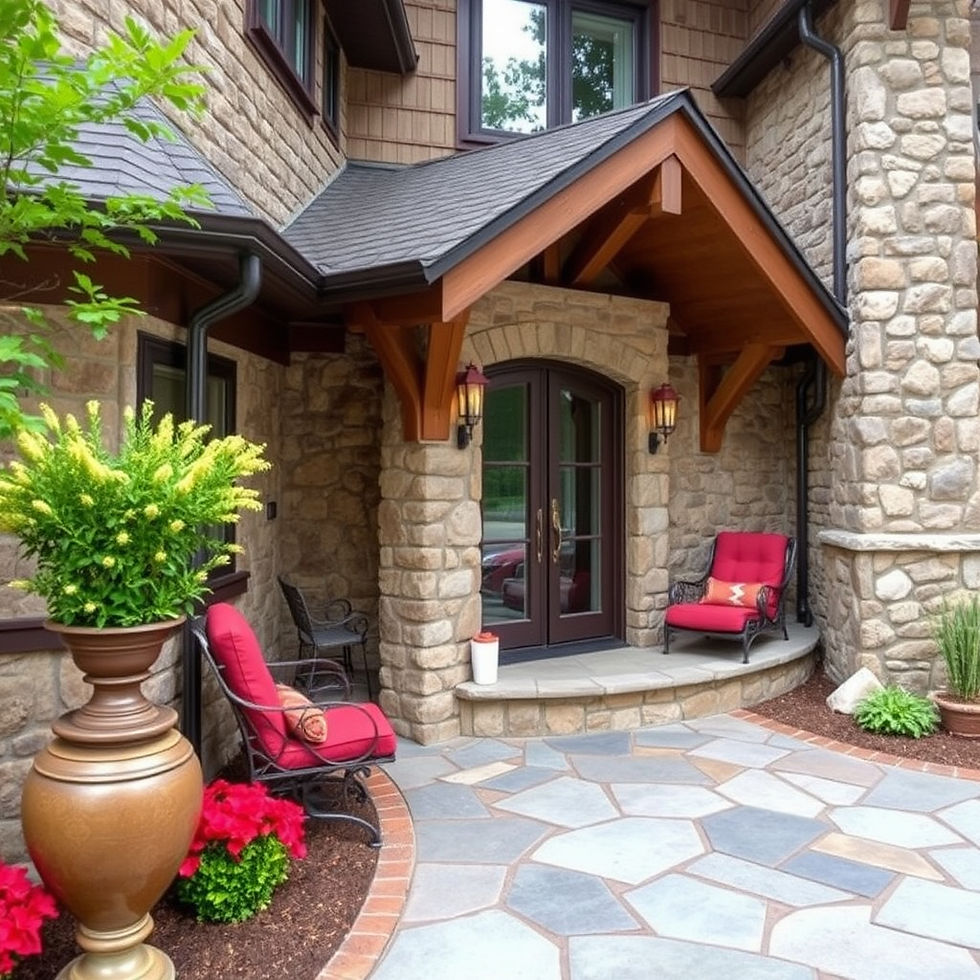
A terracotta driveway is made from natural clay tiles or blocks that are kiln-fired to create a hard surface. Traditionally used indoors or for patios, terracotta has become popular for driveways in warmer climates due to its rustic appearance and eco-friendly nature.
Terracotta driveway tiles are often laid in patterns similar to interlocking concrete driveway pavers; however, they require more thoughtful installation and maintenance due to the material's greater porosity.
Homeowners choose terracotta for:
Its natural, earthy look
Long-lasting material when maintained properly
Environmentally friendly composition
Advantages of Terracotta Tiles
Terracotta offers several benefits that make it appealing for residential driveways.
Key Benefits
Natural beauty: Warm red, orange, and brown tones age gracefully over time
Eco-friendly: Made from natural clay with no harmful chemicals
Heat resistance: Stays cooler than many synthetic materials in hot weather
Timeless style: Works well with traditional, Mediterranean, and rustic homes
Many homeowners also like how terracotta complements outdoor features such as gardens, stone walkways, or even a turf pool deck, creating a cohesive outdoor design.
What Are the Disadvantages of Terracotta Blocks?
While terracotta looks beautiful, it’s important to understand its limitations before installing or maintaining a driveway.
Common Drawbacks
Porous surface: Absorbs water, oil, and stains if not sealed
Requires regular maintenance: Needs cleaning and resealing over time
Can crack under heavy loads: Not ideal for very heavy vehicles
Higher upkeep than concrete: More care than asphalt or concrete slabs
Knowing these disadvantages helps homeowners plan proper maintenance and avoid damage.
Cleaning Terracotta Floors—Do’s and Don’ts
Regular cleaning is the foundation of terracotta driveway care.
Do’s
Sweep frequently to remove dirt and grit
Use warm water with a mild, neutral cleaner
Mop gently with a soft brush or cloth
Dry the surface after washing
Don’ts
Avoid harsh chemicals or acidic cleaners
Do not use pressure washers at high settings
Never use abrasive scrubbing tools
Don’t let oil or grease stains sit untreated
Following these simple rules helps preserve the surface and color of your terracotta driveway.
How to Clean Rustic, Rough Terracotta Floors
Rustic or rough-finished terracotta driveways are popular because of their natural, handmade look. However, dirt can settle more easily into textured surfaces.
Step-by-Step Cleaning
Sweep thoroughly with a stiff broom
Mix warm water with a neutral floor cleaner
Scrub gently using a soft-bristle brush
Rinse with clean water
Dry with a mop or allow to air dry completely
For best results, deep clean rough terracotta surfaces at least once or twice a month.
Maintenance Tips for a Long-Lasting Terracotta Driveway
Proper maintenance can significantly extend the life of your driveway.
Essential Maintenance Practices
Seal the surface: Apply a quality sealant every few years
Clean spills immediately: Especially oil, fuel, or grease
Inspect regularly: Look for cracks or loose tiles
Avoid heavy loads: Limit use by very heavy vehicles
A well-maintained terracotta driveway can remain attractive and functional for decades.
What Is the Lifespan of Terracotta Floor Tiles?
With proper care, terracotta driveway tiles can last 30 to 50 years or more. The key factors affecting lifespan include:
Quality of the tiles
Proper installation
Climate conditions
Consistent maintenance
When installed by an experienced paving stone contractor, terracotta can perform just as well as many modern paving options.
What Is the Best Non-Slip Outdoor Tile?
Safety is a major concern for driveways, especially during rain.
Best Options for Non-Slip Surfaces
Textured or rustic-finish terracotta tiles
Sealed terracotta with non-slip additives
Interlocking concrete driveway pavers with grip surfaces
Rough-finished terracotta naturally provides better traction than smooth tiles, making it a safer option when properly sealed.
Cost Considerations for a Terracotta Driveway
The cost of a terracotta driveway can vary based on materials, labor, and design.
Average Cost Factors
Tile quality and thickness
Pattern complexity
Ground preparation
Sealing and finishing
In many cases, terracotta may cost more upfront than standard concrete but offers unique visual value that enhances curb appeal and property value.
Common Mistakes Homeowners Should Avoid
Avoiding common mistakes can save time and money.
Mistakes to Watch Out For
Skipping sealing after installation
Using harsh cleaning products
Ignoring small cracks or loose tiles
Choosing inexperienced installers
Hiring a qualified paving stone contractor helps prevent many of these issues from the start.
When to Hire a Professional Contractor
Some maintenance tasks are simple, but others require professional help.
Hire a Professional When:
Tiles are cracking or shifting
Drainage issues appear
Resealing is overdue
You want to redesign or expand the driveway
A professional can also advise whether terracotta or alternatives like interlocking concrete driveway pavers are better suited for your property.
Frequently Asked Questions (FAQ)
1. Is a terracotta driveway suitable for all climates?
Terracotta performs best in mild to warm climates. In freeze-thaw regions, extra sealing and proper installation are essential.
2. How often should a terracotta driveway be sealed?
Most driveways should be resealed every 3–5 years, depending on traffic and weather exposure.
3. Can I pressure wash a terracotta driveway?
Low-pressure washing is acceptable, but high pressure can damage the surface and remove sealant.
4. Are terracotta driveways slippery when wet?
Textured terracotta offers good grip, especially when treated with non-slip sealers.
5. How does terracotta compare to concrete pavers?
Terracotta offers more natural beauty, while concrete pavers usually require less maintenance.
Final Thoughts
A terracotta driveway is a beautiful investment that rewards homeowners with warmth, charm, and lasting appeal. With the right cleaning habits, sealing schedule, and professional support when needed, it can remain a standout feature of your home for decades. If you’re unsure about maintenance or installation, speaking with an experienced local contractor can help you make informed decisions and protect your investment.


Comments